Education has long been regarded as one of humanity’s most powerful tools for reducing inequality, improving lives and driving social and economic progress. From lifting communities out of poverty to supporting sustainable development and peace, its impact has been widely celebrated.
However, experts warn that education can only deliver these benefits if it is accessible to all—a condition that remains far from reality. Today, unequal access has turned education from a great equaliser into one of the world’s most persistent sources of division.
According to UNESCO, an estimated 272 million children in developing countries remain out of school. Alarmingly, this figure has declined by less than one percent since 2015, when the United Nations designated quality education as its fourth Sustainable Development Goal. The slow progress is particularly concerning given that education underpins nearly all other development goals.
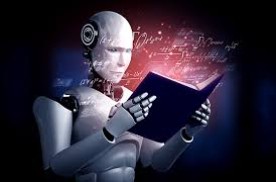
As industrialised nations surge ahead with digital connectivity and innovation, attention is increasingly turning to technology as a potential solution. Advances in artificial intelligence are already transforming education by personalising learning, modernising teaching methods and reducing administrative workloads for educators.
Supporters argue that if deployed inclusively, AI could help bridge long-standing education gaps. Critics caution, however, that without equitable access, technology risks deepening existing divides rather than closing them.


 DCO, Arab News Partner on AI and Combating Online Misinformation
 Saudi Arabia Opens World Defense Show in Riyadh
 Israel Approves Measures to Expand Control Over West Bank
 Jordan’s Industrial Exports Hit Decade High in 2025